Fourth Sunday in Ordinary Time
February 1st, 2026

Sunday readings:
https://www.catholic.org/bible/daily_reading/?select_date=2026-02-01

Ordinary Time is the heartbeat of the liturgical year. It offers Catholics the opportunity to grow in faith in a sustained and practical way. Through parish programs, personal spiritual disciplines, and daily acts of love, individuals are invited to live out the Gospel, not just in special seasons, but in the ordinary moments where true transformation often occurs. As Jesus walked with His disciples daily — teaching, healing, and encouraging — the Church in Ordinary Time invites us to walk with Him consistently, finding meaning and mission in the rhythm of everyday life.
https://www.holyredeemerburton.org/


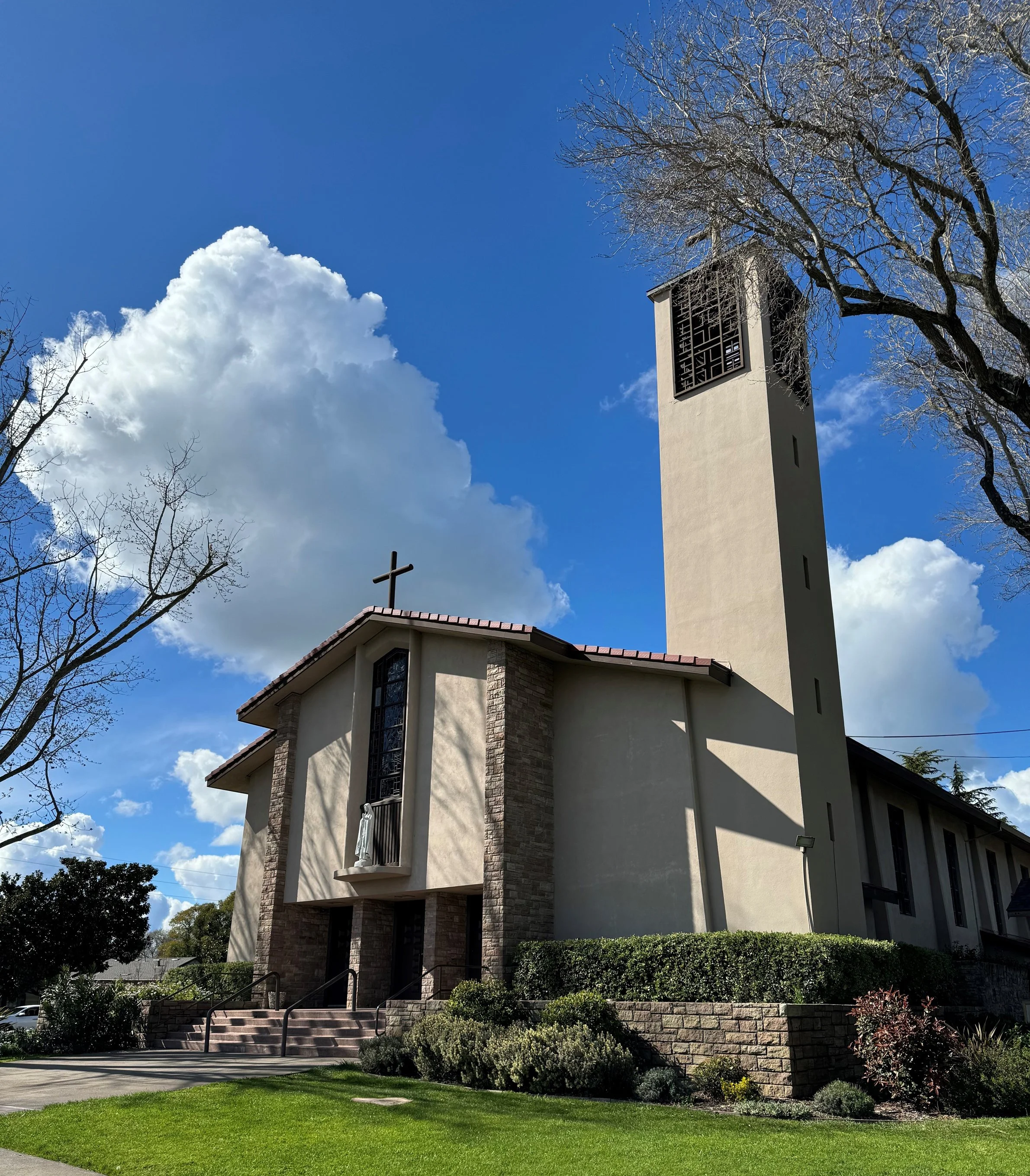
St-Eugenes-Cathedral-Santa-Rosa-California.jpg
 

Welcome to St. Eugene’s

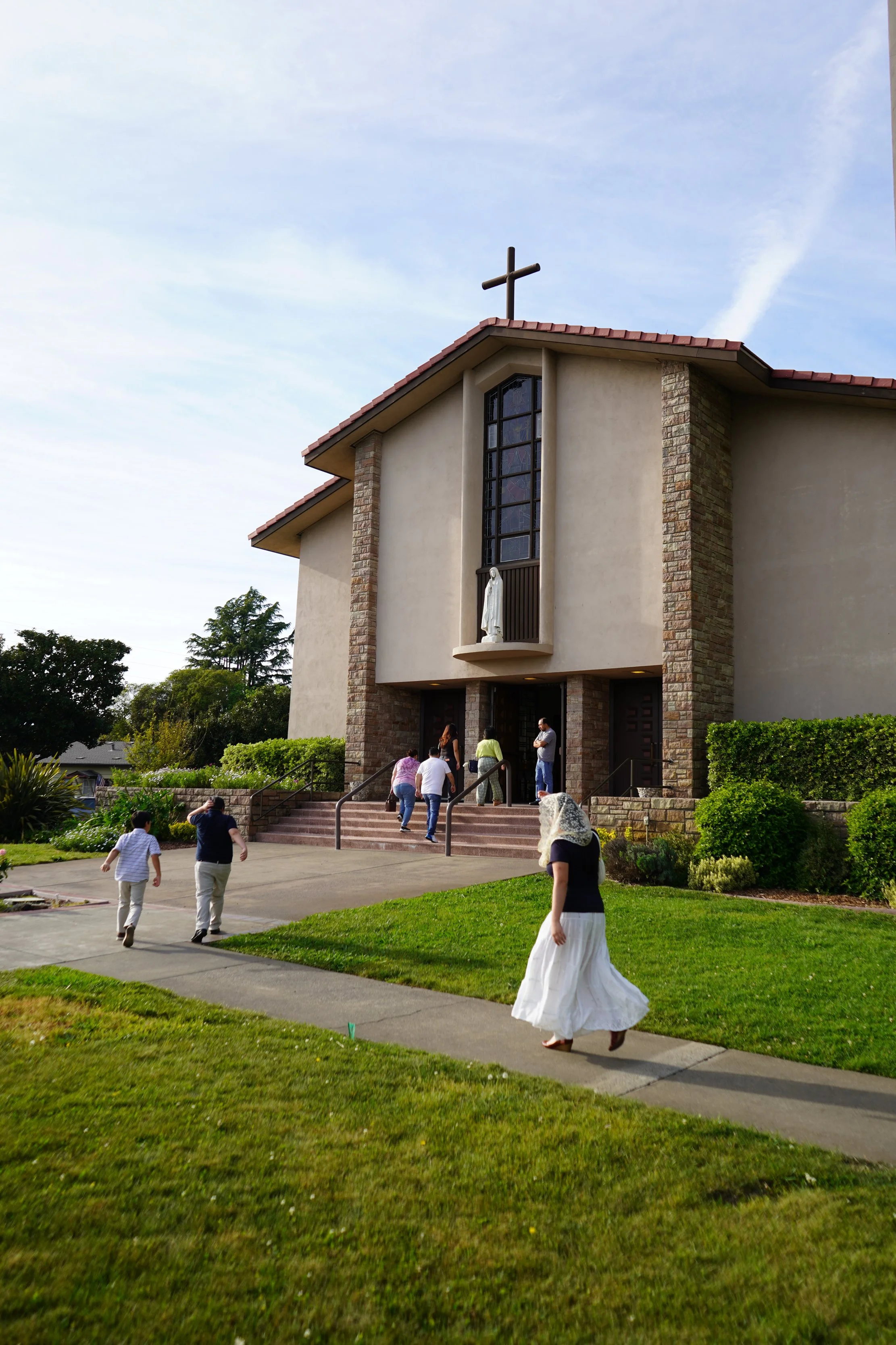
St. Eugene's is the Cathedral Church of the Diocese of Santa Rosa in California.  Our parish includes more than 1700 registered families and a variety of different ministries.  Our parish was founded in 1950 and it became the Cathedral of the Diocese of Santa Rosa in 1962 when the Diocese was founded.  Welcome to our parish and to our community centered on Christ Jesus Our Lord.

Announcements

Please check this week’s bulletin for all current announcements. Only special announcements or ones that didn’t make it into the bulletin are listed here.

February 1, 2026 The Second Sunday of Ordinary Time bulletin - Cycle A - Gospel of Matthew (continued)

Dear People of God,

(continued from January 25th — The Gospel of Matthew)

This genealogy makes sense in a Jewish context and with a lens to understanding the Old Testament preparation for the coming Messiah. At the same time, we can see that this genealogy does not exactly accord with similar records in the Old Testament. Rather, it is somewhat symbolic. Many scholars believe that the reference to 14 generations in Mt 1:17 is a reference to David who appears as number 14 in the list. Also, the ancient Jews used their letters for numbers since they did not have a separate set of numbers like we do. If you add up the numerical value for David’s name, it comes to 14. Also, in Matthew’s genealogy, the most ancient ancestor of Jesus is Abraham, who is the first Jew. Whereas Luke goes back to Adam (Lk 3:38).

Another Jewish characteristic of the Gospel of Matthew is that he rarely uses the word “God” compared to Mark, Luke, and John. Rather, Matthew fairly consistently refers to the “Kingdom of Heaven” where the other gospels call it the “Kingdom of God.” Ancient Jews avoided the saying or writing the word “God” as they considered it too close to taking the Lord’s name in vain. The Gospel of Matthew follows that protocol most of the time.

The Gospel of Matthew has some unique features. Of special note, Matthew provides us with an account of Jesus’ birth that includes more details related to St. Joseph, whereas Luke’s account focuses more on details related to Our Lady. We cannot be certain of how this happened. By tradition, it is believed that Luke knew the Blessed Mother and got some of his information from her. However, where Matthew got his information related to the birth of Christ is a bit of a mystery.

God bless,
Fr. Samuel Moses Brown

Querido Pueblo de Dios,

(continuación del 25 de enero El Evangelio de Mateo)

Esta genealogía tiene sentido en un contexto judío y con una perspectiva para entender la preparación del Antiguo Testamento para el Mesías venidero. Al mismo tiempo, podemos ver que esta genealogía no coincide exactamente con registros similares en el Antiguo Testamento. Más bien, es algo simbólico. Muchos estudiosos creen que la referencia a 14 generaciones en el Monte 1:17 es una referencia a David, que aparece como el número 14 en la lista. Además, los antiguos judíos usaban sus letras como números, ya que no tenían un conjunto separado de números como nosotros. Si sumas el valor numérico del nombre de David, da 14. Además, en la genealogía de Mateo, el antepasado más antiguo de Jesús es Abraham, que es el primer judío.

Otra característica judía del Evangelio de Mateo es que rara vez utiliza la palabra "Dios" en comparación con Marcos, Lucas y Juan. Más bien, Mateo se refierebastante consistentemente al "Reino de los Cielos", donde los otros evangelios lo llaman el "Reino de Dios". Los antiguos judíos evitaban el dicho o escribir la palabra "Dios" porque consideraban que se acercaba demasiado a tomar el nombre del Señor en vano. El Evangelio de Mateo sigue ese protocolo la mayor parte del tiempo.

El Evangelio de Mateo tiene algunas características únicas. Cabe destacar especialmente que Mateo nos ofrece un relato del nacimiento de Jesús que incluye más detalles relacionados con San José, mientras que el relato de Lucas se centra más en detalles relacionados con Nuestra Señora. No podemos estar seguros de cómo ocurrió esto. Por tradición, se cree que Lucas conocía a la Santísima Virgen y obtuvo parte de su información de ella. Sin embargo, de dónde obtuvo Mateo la información relacionada con el nacimiento de Cristo es un poco un misterio.

Dios los bendiga,
Padre Samuel Moses Brown

January 25, 2026 The Third Sunday of Ordinary Time bulletin - Cycle A - Gospel of Matthew (continued)

Dear People of God,

(continued from Jan 18th The Gospel of Matthew)

This gospel is often thought to be the most Jewish because of its content, form, and certain other details. For instance, in the beginning of the Sermon of the Mount, Jesus is shown to be like a new Moses. He comes down the mountain with the law for the people. The original Mosaic Law has five books as does the Gospel of Matthew. Matthew links Jesus to Moses in this way and Jesus then reinterprets the ancient law in multiple different ways for the people in the Sermon on the Mount.

Another Jewish hallmark of the Gospel of Matthew is that Jesus’ story is related to the prophecies of the Old Testament early in the gospel. Matthew refers to the Old Testament 6 times in the first 3 chapters, specifically referring to prophecy.

Matthew is very concerned to show how Jesus is the expected Messiah and that various prophecies of the Old Testament refer to Him. Though the other gospel writers do this, they do not do it as much as Matthew does. Matthew appears to have more familiarity with the prophets of the Old Testament.

Another Old Testament connection Matthew highlights is at the beginning of his gospel, he starts with a fairly long genealogy of Jesus’ ancestry. This genealogy seeks to root Jesus in the Old Testament and make clear that He is the answer to Jews who had been expecting a Messiah. This genealogy makes sense in a Jewish context and with a lens to understanding the Old Testament preparation for the coming Messiah.

God bless,
Fr. Samuel Moses Brown

Querido Pueblo de Dios,

(continuación del 18 de enero El Evangelio según San Mateo)

Este evangelio a menudo se considera el más judío debido a su contenido, forma y ciertos otros detalles. Por ejemplo, al comienzo del Sermón del Monte, se muestra a Jesús como un nuevo Moisés. Él desciende de la montaña con la ley para el pueblo. La Ley mosaica original tiene cinco libros, al igual que el Evangelio de Mateo. Mateo vincula a Jesús con Moisés de esta manera y luego Jesús reinterpreta la ley antigua de múltiples maneras para el pueblo en el Sermón del Monte.

Otro rasgo judío distintivo del Evangelio de Mateo es que la historia de Jesús se relaciona con las profecías del Antiguo Testamento desde el principio del evangelio. Mateo se refiere al Antiguo Testamento 6 veces en los primeros 3 capítulos, específicamente haciendo referencia a profecías. Mateo está muy interesado en mostrar cómo Jesús es el Mesías esperado y que varias profecías del Antiguo Testamento se refieren a Él. Aunque los otros escritores del evangelio también hacen esto, no lo hacen tanto como Mateo. Mateo parece tener más familiaridad con los profetas del Antiguo Testamento.

Otra conexión con el Antiguo Testamento que Mateo destaca es que al comienzo de su evangelio, empieza con una genealogía bastante larga de la ascendencia de Jesús. Esta genealogía busca arraigar a Jesús en el Antiguo Testamento y dejar claro que Él es la respuesta para los judíos que habían estado esperando un Mesías. Esta genealogía tiene sentido en un contexto judío y con una perspectiva para entender la preparación del Antiguo Testamento para la venida del Mesías.

Dios los bendiga,
Padre Samuel Moses Brown

January 18, 2026 The Second Sunday of Ordinary Time bulletin - Cycle A - Gospel of Matthew

Dear People of God,

As we begin our new liturgical year, we should focus some attention on the Gospel of Matthew which frames the year. In the new liturgical cycle, each year focuses on a Gospel, either Matthew, Mark, or Luke. These years are called A, B, and C respectively. Together these gospels are called the synoptic gospels which means they look similar; they share a similar structure and framework. John does not have a specific year for a few reasons. In particular, the Gospel of John is often well suited for specific times of the year like Lent and Easter.

As always, I recommend that people read through the entire Gospel of Matthew. Reading a chapter a day is a great plan, but reading it more quickly helps you get a sense of the continuity of the gospel. Matthew’s Gospel has 28 chapters and 18,000 words in Greek. Thus in Greek it is actually just a little bit shorter than Luke which has 19,000 words in Greek. The chapters alter our perception of how long the gospels actually are. In reading Matthew you may notice that there is no major turning point in the middle of the gospel. Mark, Luke, and John all have dramatic turning points in their story which separate material before and after.

The Gospel of Matthew is organized into 5 books or discourses. These are chapters 5-7 (the Sermon on the Mount, 10 (Mission Discourse), 13 (Parables), 18 (Discourse on Church), and 23-25 (Discourse on the End Times). Each of these discourses ends with words to the effect of “Jesus had finished saying these things.” That is part of how scholars noticed that Matthew had made 5 specific sections of his gospel in which Jesus spoke for a long time.

God bless,
Fr. Samuel Moses Brown

Querido Pueblo de Dios,

Al comenzar nuestro nuevo año litúrgico, debemos prestar algo de atención al Evangelio de Mateo, que enmarca el año. En el nuevo ciclo litúrgico, cada año se centra en un Evangelio, ya sea Mateo, Marcos o Lucas. Estos años se llaman A, B y C respectivamente. Juntos, estos evangelios se llaman evangelios sinópticos, lo que significa que se parecen; comparten una estructura y un marco similares. Juan no tiene un año específico por varias razones. En particular, el Evangelio de Juan a menudo es adecuado para momentos específicos del año como la Cuaresma y la Pascua.

Como siempre, recomiendo que las personas lean todo el Evangelio de Mateo. Leer un capítulo al día es un gran plan, pero leerlo más rápido ayuda a tener una idea de la continuidad del evangelio. El Evangelio de Mateo tiene 28 capítulos y 18,000 palabras en griego. Así, en griego es en realidad un poco más corto que Lucas, que tiene 19,000 palabras en griego. Los capítulos alteran nuestra percepción de la longitud real de los evangelios. Al leer Mateo, puedes notar que nohay un punto de inflexión principal en la mitad delevangelio. Marcos, Lucas y Juan tienen todos puntos de inflexión dramáticos en su historia que separan el material antes y después.

El Evangelio de Mateo está organizado en 5 libros o discursos. Estos son los capítulos 5-7 (el Sermón del Monte), 10 (Discurso Misionero), 13 (Parábolas), 18 (Discurso sobre la Iglesia) y 23-25 (Discurso sobre los Tiempos Finales). Cada uno de estos discursos termina con palabras similares a “Jesús había terminado de decir estas cosas.” Esto es parte de cómo los estudiosos notaron que Mateo había hecho 5 secciones específicas de su evangelio en las que Jesús hablaba durante mucho tiempo.

Dios los bendiga,
Padre Samuel Moses Brown

January 11, 2026 The Baptism of the Lord bulletin - Resolutions

Dear Father: should we make New Year's resolutions? It seems like a good idea, but it's also very secular and maybe not the best use of my energy.

Dear Reader: The answer is yes and no, let me explain. The idea of doing a New Year's resolution isn't a bad idea per se. It's a form of goal setting. Some people say that the tradition of New Year's resolutions has some religious overtones, but I do not think that there is any solid research on the subject. I would say that the best thing to do is to figure out a physical and a spiritual resolution. January is a good time to start.

Whatever goals someone wants to achieve, it is best practice to outline exactly what steps that person will take. I've been reading the book Atomic Habits by James Clear and he points out that if people start small and have something very defined, they have the best chance for success. For the person who wants to attend Mass on Sunday, like we all should, this might mean agreeing to set an alarm for 7:30 a.m. on Sunday, then get ready, and then actually go to Mass at 9 a.m. The plan has to have definition and be solid. It should be a resolution to a specific act, not a vague goal that may or may not be achievable in the current context.

Sometimes, this can remind us of Lent, but a key difference is that in Lent, whatever someone gives up, or sacrifices something, it must be something that is morally permissible in the first place. In other words, a Catholic shouldn't say that for Lent he is going to start attending Mass when all along he has had that obligation. He should attend Mass and still find some other penance.

God bless,
Fr. Samuel Moses Brown

January 4, 2026 The Epiphany of the Lord bulletin - Epiphany celebration

Dear People of God,

Happy Epiphany to one and to all! In our culture Epiphany is not that big of a deal, but I once got to experience the holiday in Spain. In Spain, the Magi are the ones who bring gifts which makes sense. They brought Our Lord gifts, why not the little ones among us now? They ate special feasts based on local seafood and spent time with their family in addition to giving gifts. It was a special time.

We can make it a special time here too by celebrating the day with our family. We could give a small gift and recognize the specialness of the first Gentiles entering into the mystery of Jesus come in the flesh. Of special note, is the fact that these wise men were most likely not that familiar with Jewish customs and traditions, they probably had not read the Old Testament. No one really knows why they were looking for the coming of Our Lord in the stars. That is a mystery known to God. But what we do know is that they were welcomed, not because they brought gifts, but because they came in faith. That is the same faith that we should all bring now when we come to Mass.

Also, we recognize the truly special nature of the gifts that they brought, each one was symbolic. The gold symbolized the kingly nature of Jesus: Lord at His Birth. The myrrh symbolized the death that Jesus would endure. The frankincense was widely used in the worship of deities, and thus appropriate for Jesus who was God in the flesh.

Lastly, this year the Baptism of the Lord will be celebrated on January 11.

Happy Epiphany,
Fr. Samuel Moses Brown

Querido Pueblo de Dios,

¡Feliz Epifanía para todos! En nuestra cultura, la Epifanía no es algo muy importante, pero una vez tuve la oportunidad de experimentar la festividad en España. En España, los Reyes Magos son quienes traen los regalos, lo cual tiene sentido. Le llevaron regalos a Nuestro Señor, ¿por qué no a los más pequeños entre nosotros ahora? Comieron banquetes especiales basados en mariscos locales y pasaron tiempo con su familia además de dar regalos. Fue un momento especial.

También podemos hacer que sea un momento especial aquí celebrando el día con nuestra familia. Podríamos dar un pequeño regalo y reconocer la importancia de la entrada de los primeros Gentiles en el misterio de Jesús hecho carne. Cabe destacar que estos sabios probablemente no estaban tan familiarizados con las costumbres y tradiciones Judías, probablemente no habían leído el Antiguo Testamento. Nadie sabe realmente por qué estaban buscando la venida de Nuestro Señor en las estrellas. Ese es un misterio que solo Dios conoce. Pero lo que sí sabemos es que fueron bienvenidos, no porque trajeran regalos, sino porque vinieron con fe. Esa es la misma fe que todos deberíamos traer ahora cuando asistimos a Misa.

Además, reconocemos la naturaleza verdaderamente especial de los regalos que trajeron, cada uno era simbólico. El oro simbolizaba la naturaleza real de Jesús: Señor desde su nacimiento. La mirra simbolizaba la muerte que Jesús llegaría a soportar. El incienso se usaba ampliamente en la adoración de deidades, y por lo tanto era apropiado para Jesús, que era Dios encarnado.

Por último, este año el Bautismo del Señor se celebrará el 11 de enero.

Feliz Epifania,
Padre Samuel Moses Brown

December 28, 2025 Feast of the Holy Family bulletin - Christmas-Epiphany seasons
December 21, 2025 Fourth Sunday of Advent bulletin - Advent - Isaiah
December 14, 2025 Third Sunday of Advent bulletin - Advent - Isaiah
December 7, 2025 Second Sunday of Advent bulletin - Advent
November 30, 2025 First Sunday of Advent bulletin - Advent

Please see these bulletins for messages from Fr. Brown in English and en Español:

November 23, 2025 bulletin - Thanksgiving
November 16, 2025 bulletin - Pray for the dead
November 9, 2025 bulletin - Liturgy (continued)

November 2, 2025 Thirtieth Sunday of Ordinary Time bulletin - Liturgy (continued)
October 26, 2025 Twenty Nineth Sunday of Ordinary Time bulletin - Liturgy (continued)
October 19, 2025 Twenty Nineth Sunday of Ordinary Time bulletin - Liturgy (continued)
October 12, 2025 Twenty Eighth Sunday of Ordinary Time bulletin - Liturgy (continued)
October 5, 2025 Twenty Seventh Sunday of Ordinary Time bulletin - Liturgy (continued)
September 28, 2025 Twenty Sixth Sunday of Ordinary Time bulletin - Liturgy (continued)
September 21, 2025 Twenty Fifth Sunday of Ordinary Time bulletin - Liturgy (continued)
September 14, 2025 The Exaltation of the Holy Cross bulletin - Liturgy (continued)
September 7, 2025 Twenty Third Sunday of Ordinary Time bulletin - Liturgy (continued)
August 31, 2025 Twenty Second Sunday of Ordinary Time bulletin - Liturgy (continued)
August 24, 2025 Twenty First Sunday of Ordinary Time bulletin - Liturgy (continued)
August 17, 2025 Twentieth Sunday of Ordinary Time bulletin - Liturgy (continued)
August 10, 2025 Nineteenth Sunday of Ordinary Time bulletin - Liturgy (continued)
August 3, 2025 Eighteenth Sunday of Ordinary Time bulletin - Liturgy (continued)
July 27, 2025 Seventeenth Sunday of Ordinary Time bulletin - Liturgy (continued)
July 20, 2025 Sixteenth Sunday of Ordinary Time bulletin - Liturgy
July 13, 2025 Fifteenth Sunday of Ordinary Time bulletin - Ordinary Time
July 6, 2025 Fourteenth Sunday of Ordinary Time bulletin - St. John Cassian, Desert Father
June 29, 2025 Solemnity of Saints Peter & Paul - Spiritual Awakening
June 22, 2025 Corpus Christi bulletin - Transubstantiation
June 15, 2025 Holy Trinity bulletin - Eight Deadly Thoughts - Vainglory, Pride
June 8, 2025 Pentecost Sunday bulletin - Eight Deadly Thoughts - Sloth
June 1, 2025 Ascension of the Lord bulletin - Eight Deadly Thoughts - Sloth
May 25, 2025 6th Sunday of Easter bulletin - Eight Deadly Thoughts - Anger
May 18, 2025 5th Sunday of Easter bulletin - Eight Deadly Thoughts - Anger
May 11, 2025 4th Sunday of Easter bulletin - The Blessing of Mothers
May 4, 2025 3rd Sunday of Easter bulletin - Acknowledgments for our Holy Week liturgies
April 27, 2025 2nd Sunday of Easter bulletin - The 8 Deadly Thoughts (continued)
April 20, 2025 Easter Sunday bulletin - Easter Sunday Message
April 13, 2025 Palm Sunday of the Passion of the Lord bulletin - Lenten Series VI
April 6, 2025 Fifth Sunday of Lent bulletin - The Eight Deadly thoughts - Lenten Series V
March 23, 2025 Third Sunday of Lent bulletin - The Eight Deadly Thoughts - Lenten Series III - FOOD
March 16, 2025 Second Sunday of Lent bulletin - The Eight Deadly Thoughts - Lenten Series II
March 9, 2025 First Sunday of Lent bulletin - The Eight Deadly Thoughts - Lenten Series I
March 2, 2025 Eighth Sunday of Ordinary Time bulletin - Lenten Repentance - Fish Fry
February 23, 2025 Seventh Sunday of Ordinary Time bulletin - Lenten Penances
February 16, 2025 Sixth Sunday of Ordinary Time bulletin - Marriage Week
February 2, 2025 Feast of the Presentation of the Lord bulletin - Church architectural terms

To view previous bulletins, please go to the Weekly Bulletins webpage.

Pastor’s Desk

Live Stream Mass

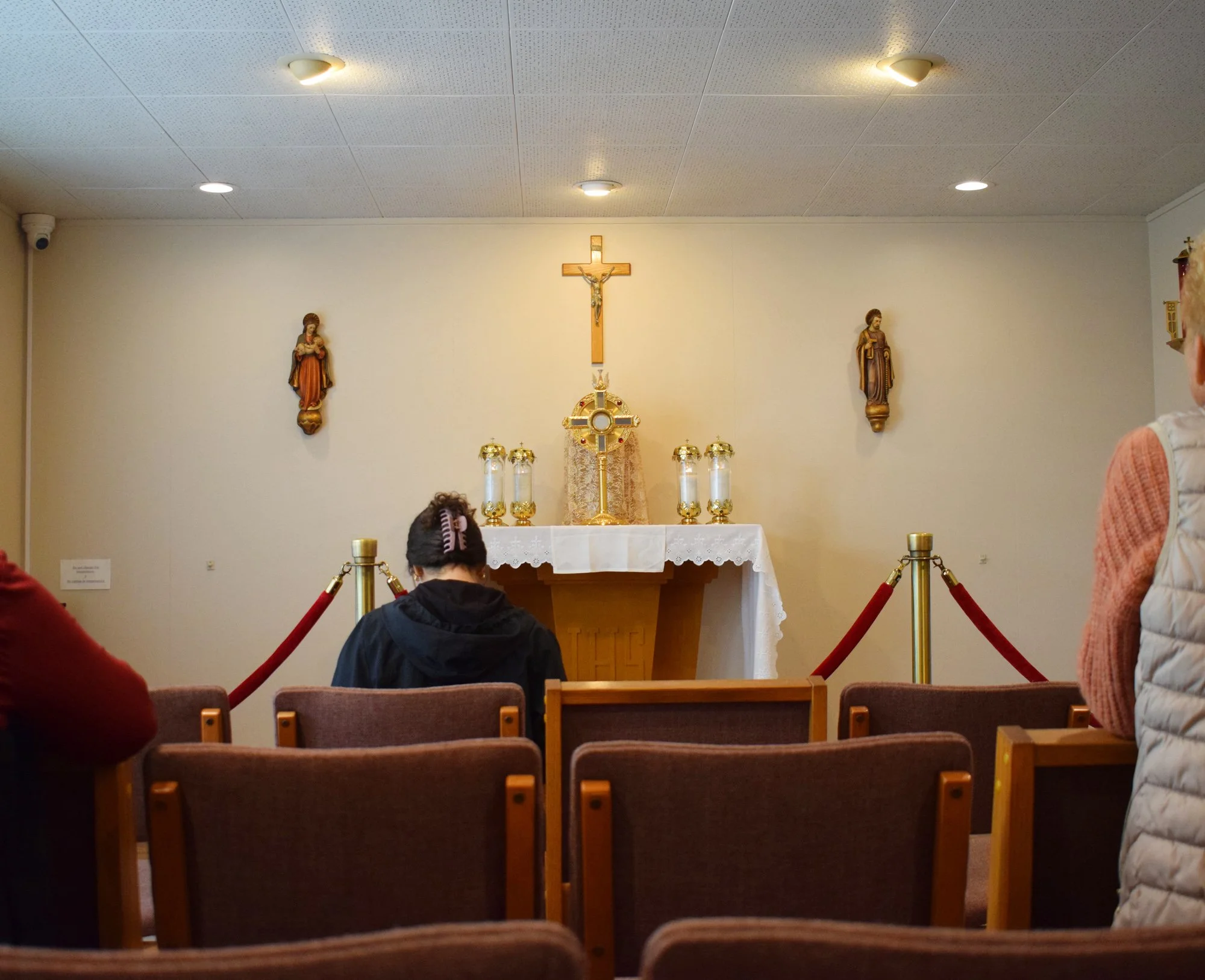
Mass, Confession, & Adoration Schedule

Weekly Mass Schedule

  • Weekday Mass

    • Mon-Fri — 6:45 a.m. & 8 a.m.

    • Tues — 5:30 p.m.

    • Saturday — 8 a.m.

  • Saturday Evening Vigil:

    • 4:30 p.m. (English)

    • 6:30 p.m. (Spanish)

  • Sunday Mass:

    • 7:30 a.m.

    • 9 a.m.

    • 10:30 a.m. *

    • 12 noon

    • 5:30 p.m.

    Only the Sunday, 10:30 a.m. Mass (*) will continue to be live-streamed on St. Eugene Cathedral YouTube Channel. An outdoor speaker and/or monitor will only be placed outside for special Masses/events that would require outside overflow seating.

Holy Day Mass Schedule

The usual schedule for Holy Days follows. Please check current bulletin for any changes.

Adoration Times

Confession